

WATFORD 2-0 CHARLTON ATHLETIC (POST MATCH PHONE IN HIGHLIGHTS)
After technology let Justin down, Pete had to to return early to hosting duties but lets be honest with the change of shape, the performance and the release of a couple of interesting club personalities - there was a lot to be said....
# Charlton Post Match Phone In highlights
Watford’s 2-0 win over Charlton did not make the wider anger disappear, but it offered the clearest possible reminder of what supporters will back: a balanced side, visible effort and players prepared to withstand the physical demands of a difficult afternoon. After the dismal midweek defeat by Cardiff, the contrast was stark. The phone-in’s verdict was not based on tracking data or physical metrics, but the repeated observations were consistent: Watford ran, competed, recovered and looked far more comfortable with “round pegs in round holes”.
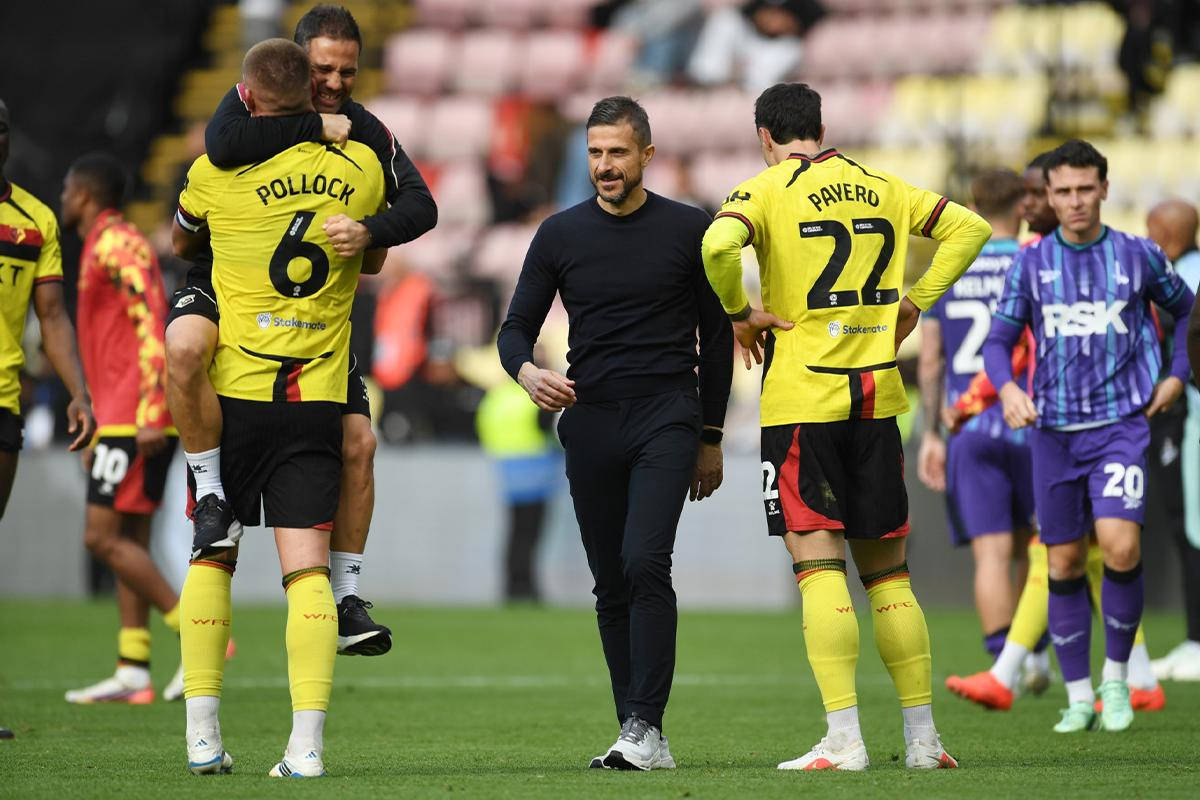
Rich led the praise for players who have often attracted criticism, beginning with Luka Kjeerumgaard, who he felt had produced his best Watford performance “by some country mile”. Kayembe kept driving forward, with his shot creating the opening goal, while Kebben made an important last-ditch intervention with the score still 1-0.
“Full credit to them,” Rich said. “They get a lot of stick, but they fronted up today, as did most of the players.”
Bravo was described as a player Watford are “very lucky to have”, while the goalkeeper Ravaglia also impressed when called upon. That sense of collective competence mattered after the previous two performances. The praise was not simply for winning; it was for a side finally appearing physically and structurally equipped to compete.
The formation was central to the discussion. Watford’s use of three central defenders, with the option of becoming a five without the ball, provided a more stable base. Bola’s presence changed the balance on the left and helped Bravo, while Diatta added energy and adaptability on the other side.
“It’s not rocket science, people,” Rich said. “The difference that Bola makes to that team is immense.”
The phone-in could not establish from one match whether the system itself caused the improvement, but callers felt it reduced the number of players being asked to perform unsuitable roles. Greg argued that the shape suited Coulibaly, who looked much better on the left of a three than he had when used as a left-back. It also allowed Pollock to operate centrally rather than being pushed towards the left, where his distribution can come under greater scrutiny.
“Short term, yeah,” Greg said when asked if Watford should retain the formation. “It was broken and we’ve seemingly fixed it, or put some Sellotape over it today.”
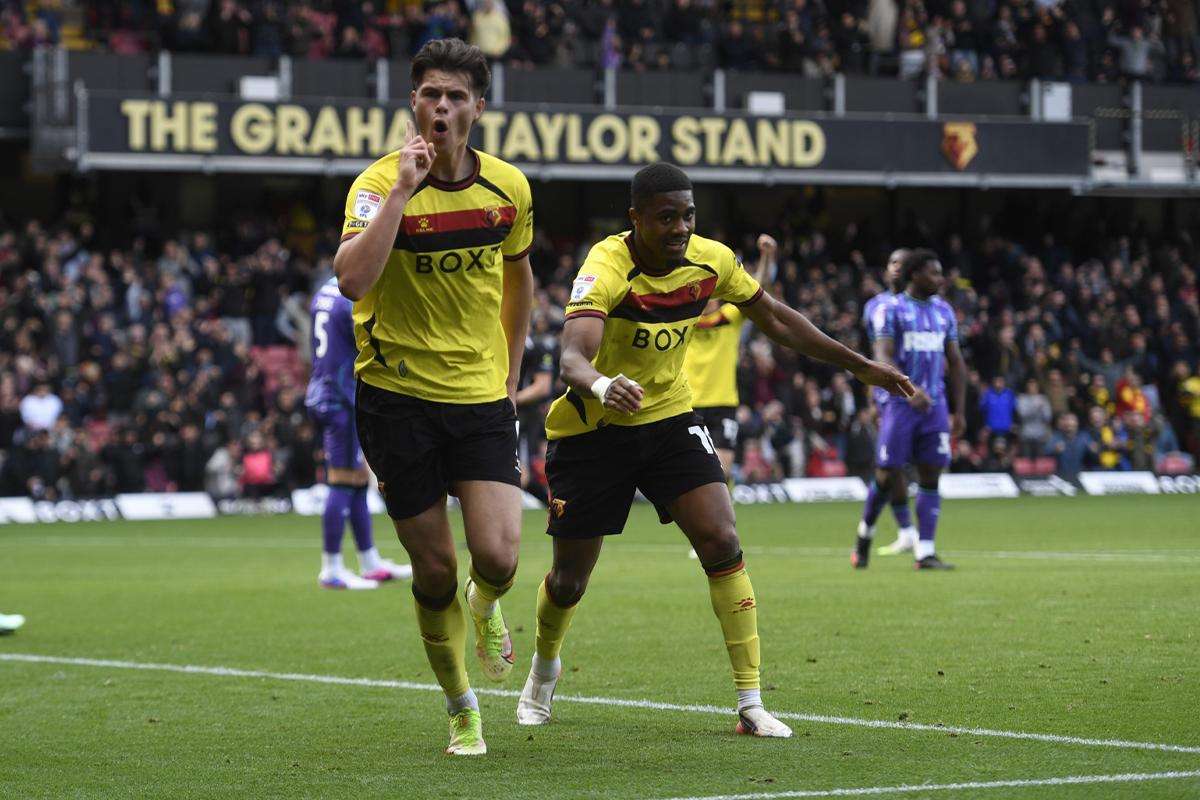
The choice of two forwards also gave Watford a different physical profile. Boadu was willing to run the channels and create space for Luka, rather than leaving the latter to carry the attack alone. His finishing could have been sharper, but his movement gave teammates passing and link-up options that had previously been missing.
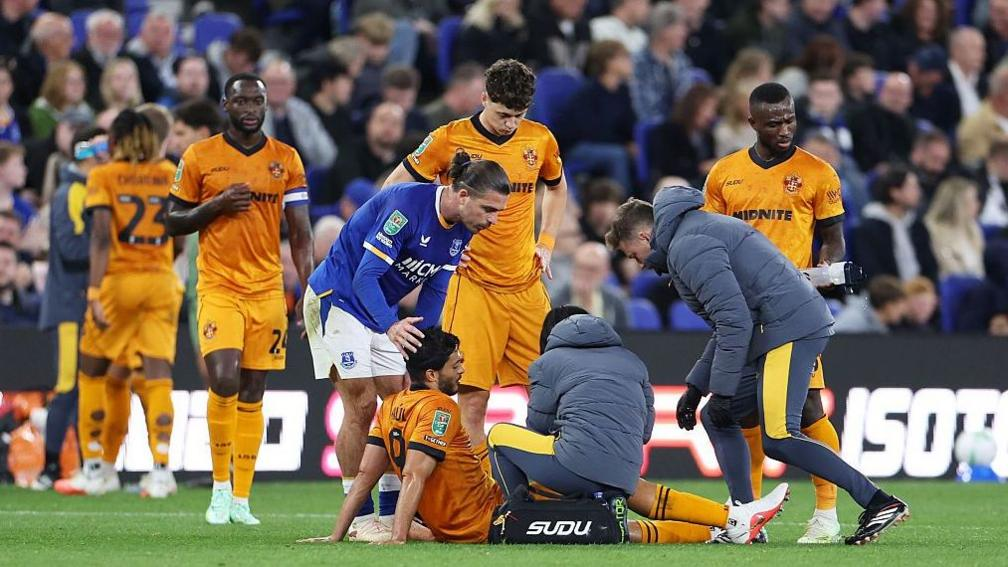
Neal also highlighted a moment which captured the change in application. Boadu took a blow to the ankle in the first half, with the replay showing it turn before being stood on, yet continued and returned for the second half.
“They’re the little things that, for me, are quite telling about how much a player wants it on the day,” Neal said. “Clearly there was a night and day between Cardiff and today on that front.”
That was an interpretation of his resilience rather than a medical assessment, but it fitted the broader picture. Watford looked capable of meeting Charlton’s physical approach, even as Rich criticised Nathan Jones’ side for spending the afternoon “kicking our players all over the park”. Charlie Kelman briefly gave the visitors more life around the penalty area, but callers overwhelmingly regarded Charlton as poor.
There was also a note of caution. Paul Holly felt Watford might have scored four or five on another day, but immediately looked towards the tougher examination away at Wolves. One improved performance cannot yet answer the question raised by the dramatic swing from Cardiff.
“Which team are you, Watford?” Rich asked. “We need to understand that. We’ll support you when we see effort. If we lost that game today, I wouldn’t have cared. I’d have stood up and clapped you because I saw every person with sweat on their shirt.”
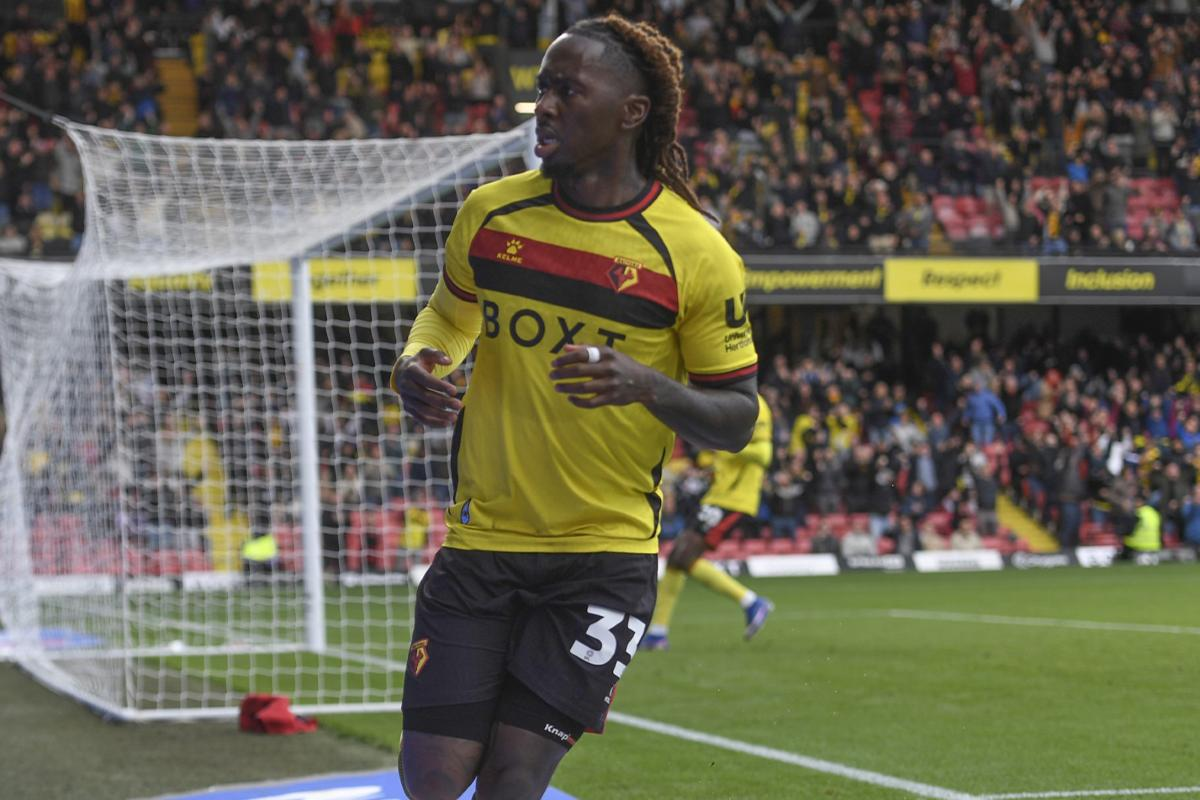
That distinction ran through the entire phone-in. A victory could be enjoyed without being used to erase the problems elsewhere. Supporters got behind the players because the performance gave them something to support, but callers warned against treating the result as a reset for the ownership.
The interview between Roy Moore and Gino Pozzo therefore occupied much of the discussion. There was widespread credit for Roy securing access to the owner and putting himself into an uncomfortable position. Greg described him as “a great guy that bleeds yellow”, while Neal stressed that nobody should overlook the courage required to publish the letter and then enter the room.
The disagreement concerned the format and dynamic. Some callers believed Roy had been placed in a situation better suited to an experienced interviewer, particularly when follow-up questions were required. Paul felt the conversation became too controlled and that some questions sounded apologetic or were attributed to other unhappy supporters rather than put as direct challenges.
Others thought the format had one important benefit: listeners concentrated on Pozzo’s words rather than attacking the interviewer. The audio also preserved tone and delivery in a way that a written transcript could not. As Neal put it, much of communication comes from “how it’s said”.
What Pozzo said did little to reassure the sceptics. Callers heard an owner willing to identify faults elsewhere but less willing to accept responsibility himself. Neal’s conclusion was blunt: “It was everybody else’s fault except his.”
The subjects not addressed were considered equally revealing. Elton John’s Instagram post had been a major catalyst for the week’s events, yet it was not explored. Nor were the recent comments from Troy Deeney and Paul Robinson, although Tom Ince’s observations were discussed. The host found that omission striking, particularly because Elton’s intervention had helped prompt Roy’s open letter.
Listeners were encouraged to hear Deeney’s long-form discussion with Mike Parkin on From the Rookery End before reaching their own conclusions. Neil argued that whatever people thought of Deeney, the interview left no doubt about his “passion and commitment for and genuine love for Watford”.
The treatment of the supporters’ board also drew criticism. Several callers felt Pozzo had effectively thrown it under the bus by expressing surprise that certain messages had not reached him, even though questions remained about how prominently the club had supported and promoted that channel.
There was some debate over whether Pozzo is genuinely insulated from supporter opinion. Those who had attended the previous event with the owner recalled a similar sense of surprise when fans challenged the club’s direction. Whether that information is not reaching him, or whether he simply disagrees with it, could not be settled by the phone-in.
Financial sustainability was another disputed area. Callers challenged how the club could be described as sustainable while carrying substantial debt, and the host explained the distinction the ownership has previously made between conventional borrowing, factored transfer income and money owed to the owner. The discussion did not resolve those arguments, but it reinforced the desire for detailed financial questioning in an appropriate forum.
The broad conclusion was that actions will matter more than another communications exercise. As Neal said: “What actually makes a difference is how Gino acts, behaves and the decisions that he makes moving forward.”
For one afternoon, however, ownership anger and enjoyment of the football were able to coexist. The absence of a significant protest did not mean opinions had changed. Rich said the issue had merely been “parked for today”, while Greg, who had previously given the owners more time, said he was now among those who believed change was necessary.
The closing stages of the phone-in then produced a welcome shift in tone when Kaiden’s dad, Matt, joined. Kaiden is one of the show’s most passionate and occasionally notorious regulars, and his father immediately supplied an important piece of family history: before choosing Watford, Kaiden had supported West Ham “because he likes eating ham”.
Matt himself had followed Liverpool when young before a friend took him to a Watford-Luton game. That was enough to begin a commitment which had lasted 35 years and was subsequently passed down to his sons.
He also accepted responsibility for some of Kaiden’s stronger football opinions, particularly his view of Kayembe. “Maybe he gets his Kayembe hate from me,” he admitted, before the conversation moved into a spirited defence of the less glamorous midfield work once performed by Gavin Mahon and now associated with Kyprianou.
Kaiden had missed the phone-in because he was photographing Watford Women’s 2-2 draw with Leicester (won on pemalties - hurrah!!) as part of his college course. His father’s pride was obvious. Kaiden wants to become a football journalist and had already been speaking to national newspapers during a turbulent week for the club.
For all the debate about systems, ownership, protests and interviews, that exchange brought the phone-in back to its core. Kaiden cares about the men’s first team, the women’s side and the academy, and he is trying to turn that commitment into a career. He may divide opinion, but he is prepared to speak, listen, learn and keep showing up.
Watford’s performance against Charlton offered a similar, if still tentative, source of encouragement. The structure looked more natural, the physical application was evident and the players gave supporters a day worth enjoying. Nobody on the phone-in mistook one win for a solution. They simply recognised that, amid everything else, this was what following a football club was supposed to give back.